The Essential Mattress Buying Guide: Tips for Finding Your Best Fit
Picking the perfect mattress is a vital decision that can greatly impact sleep quality. Various factors come into play, such as sleep position, firmness preferences, and budget constraints. Each type of mattress—innerspring, memory foam, or hybrid—offers distinct advantages designed for specific needs. Grasping these nuances is necessary for making an informed choice. But how does one manage the complexities of mattress shopping effectively? The following sections will shed light on this important journey.
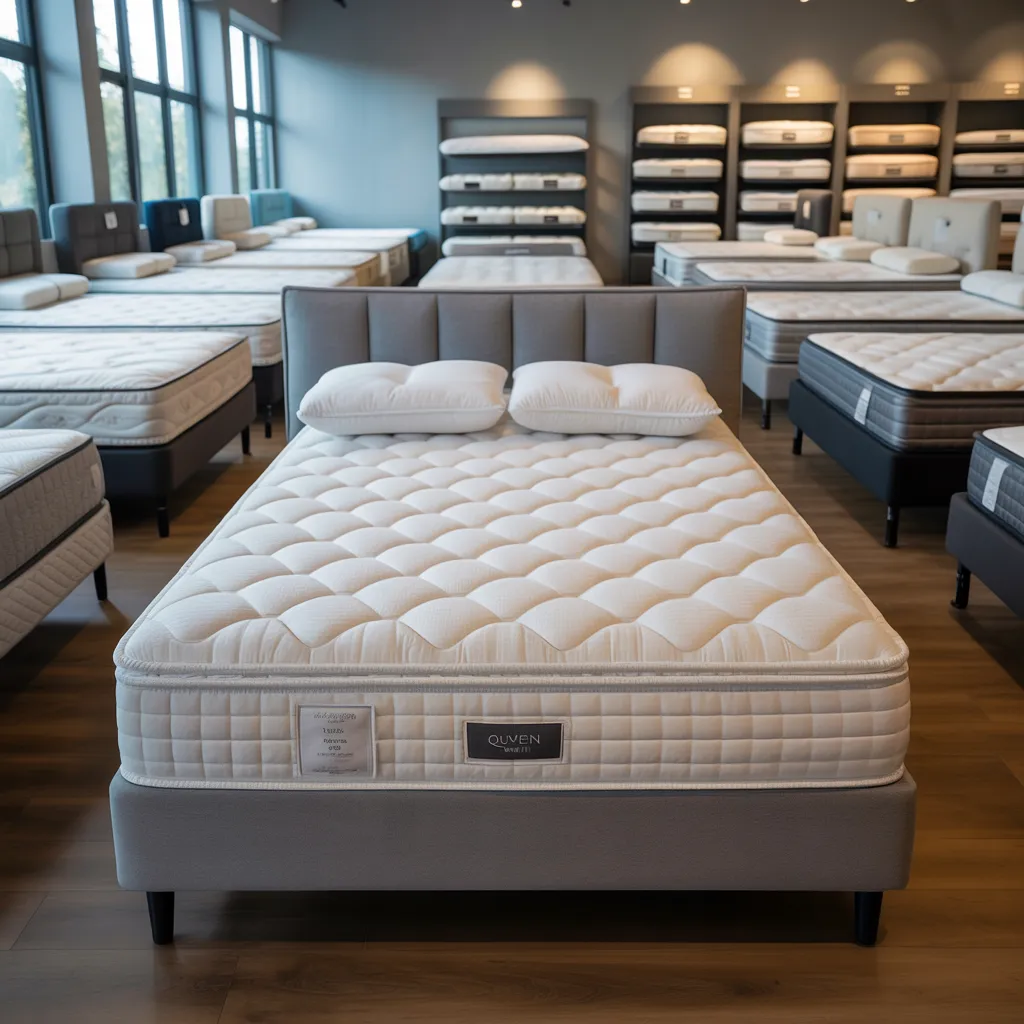
Selecting the Ideal Mattress Based on Your Sleep Position
When picking a mattress, recognizing one's sleep position is crucial, as it significantly affects support and comfort. Most sleepers can be categorized into one of three groups: side, back, or stomach. Back sleepers do best with a medium-firm sleeping surface that supports the spine's natural alignment, reducing the risk of lower back discomfort. Side sleepers, however, require a softer surface to cradle the shoulders and hips, minimizing pressure points and improving blood flow. A mattress with memory foam or natural latex can offer the essential contouring needed for this sleep style. Stomach sleepers require a firmer sleeping surface to stop the body from sinking too far, which can cause poor spinal alignment. Each sleeping position presents unique needs that must be considered to secure a truly restful night of sleep. As a result, identifying one's predominant sleep position is essential in finding a mattress suited to individual requirements, thereby improving sleep quality and general well-being.
How to Determine Your Ideal Mattress Firmness
How can one identify the ideal mattress firmness? To establish the correct level of firmness, people should take into account their body weight, sleeping position, and personal preferences. Typically, lighter individuals may prefer a gentler mattress to guarantee adequate contouring, while heavier individuals often benefit from a sturdier surface for superior support.
Those who sleep on their side usually require a mattress with a softer feel to cushion the shoulders and hips, while back and stomach sleepers usually do better with a firmer option to keep the spine properly aligned. In addition, the firmness scale extends from plush to extra-firm, allowing for a variety of choices.
Trying out mattresses at a physical store can offer valuable insight into comfort and support. You should also utilize sleep trials available at numerous retailers, giving shoppers the opportunity to assess their comfort at home. In the end, selecting the perfect mattress firmness requires striking a balance between comfort and support that is customized to meet personal requirements.
Understanding Innerspring, Memory Foam, and Hybrid Mattresses
When comparing memory foam, innerspring, and hybrid mattresses, every variety presents specific qualities designed for different sleep styles. Innerspring models are known for their responsiveness and breathability, while memory foam delivers superior body contouring and pressure reduction. Hybrid mattresses blend characteristics of both options, drawing in those who want the advantages of both firmness and softness.
Innerspring Mattress Advantages
Innerspring mattresses have long stood as a popular choice among sleepers, thanks to their unique blend of support and breathability. These mattresses utilize a coil system that provides robust support, making them well-suited for sleepers who desire a more supportive sleeping surface. The built-in airflow of the coil design improves breathability, helping to regulate temperature and keep sleepers cool during the night. Additionally, innerspring models tend to have a bouncier feel, which can facilitate easier movement and repositioning. They are often more affordable compared to memory foam and hybrid options, offering a cost-effective option that does not compromise on quality. Ultimately, innerspring mattresses cater well to those seeking a traditional sleeping experience with reliable support and comfort.
Benefits of Memory Foam
Memory foam mattresses provide many benefits that distinguish them from traditional innerspring and hybrid alternatives. Among the foremost benefits is their capacity to mold to the body's contours, offering customized support and alleviating pressure points. This feature can lead to superior spinal alignment and increased comfort throughout the night. Additionally, memory foam is celebrated for its exceptional motion isolation capabilities, minimizing disturbances from a partner's movements. This makes it especially beneficial for couples. What is more, memory foam is typically more resilient than innerspring alternatives, commonly retaining its structure and support for many years. Many memory foam mattresses also come with hypoallergenic materials, making them an excellent selection for individuals prone to allergies. Ultimately, memory foam offers an unparalleled sleeping experience that many people consider highly beneficial.
Hybrid Mattress Characteristics
Even though every mattress type offers its own distinct advantages, hybrid mattresses combine the best features of innerspring and memory foam options. These mattresses generally consist of a resilient innerspring core covered with layers of soft memory foam. This construction delivers a well-rounded feel, combining the springiness of coils with the body-contouring comfort of foam.
Hybrid mattresses excel in thermal control, as the coils promote airflow while the foam layers conform to body shape. They also accommodate various sleep styles by combining support and pressure relief. Great for couples, hybrids limit motion transfer, allowing one partner's movements to go unnoticed. Altogether, hybrid mattresses provide a well-rounded choice for people in search of a customized rest experience, merging both comfort and support in an effective way.
Setting a Realistic Budget for Your Mattress
When establishing a budget for a mattress, it is crucial to establish a realistic price range that matches your specific needs and preferences. Additionally, consumers should factor in any extra expenses, such as delivery charges or add-on items. Exploring financing King Mattress NJ options that are available can also offer flexibility for those looking to make a significant investment.
Define Your Price Range
What is the best way to establish a budget for a new mattress? Establishing a price range is essential for making a smart purchase. First, it is necessary to research average mattress prices, which generally fall between $300 and $3,000, based on size and material. Furthermore, buyers should assess their individual needs, such as comfort level and lifespan, to determine whether a greater investment is warranted. Assessing one's personal financial situation is equally important; establishing a budget that reflects one's financial circumstances ensures mindful spending. Furthermore, taking the projected lifespan of the mattress into account can help direct the decision, because superior-quality choices may offer improved value over the years. Ultimately, a well-defined price range can streamline the selection process and lead to a satisfying purchase.
Include Additional Costs
When planning a budget for a new mattress, it's essential to factor in additional costs that may come up beyond the purchase price. These costs can include delivery charges, which change according to the retailer and location, and may be waived during promotional periods. Additionally, mattress removal services might come with additional fees for getting rid of the old mattress. Items such as mattress protectors, pillows, and sheets should also be taken into account, as they elevate the overall sleeping experience. Warranty and return policy factors are important; some brands offer extended warranties at a cost. By factoring in these additional expenses, consumers can establish a realistic budget that secures not only the purchase of the mattress but also the complete setup for a comfortable night's sleep.
Browse Available Financing Options
Navigating the landscape of mattress financing options can significantly reduce the challenge of upfront costs. Many retailers present installment plans, permitting shoppers to divide payments throughout several months without accumulating interest charges if paid on time. Additionally, some stores offer promotional financing with deferred interest, which can be helpful if one is assured of meeting timely payments. External financing providers also offer flexible options, often involving a quick credit check. Buyers should assess their financial situation and develop a realistic budget before agreeing to any financing plan. Knowing the total cost, including potential fees or interest rates, supports informed decision-making and helps in selecting a mattress that fits both personal comfort requirements and financial goals.

What You Should Look for When Testing Mattresses in Stores?
When testing mattresses in stores, what should a shopper prioritize to guarantee a wise choice? Comfort is paramount; consumers should rest in their typical sleeping postures to gauge support and comfort levels. It is recommended to spend a minimum of 10 minutes on each mattress, giving the body time to adjust to the feel. Shoppers should also consider the mattress's firmness level, which varies greatly and impacts sleep quality. Additionally, evaluating materials is essential; memory foam, innerspring, and latex each offer distinct benefits. Consumers should assess motion isolation capabilities, especially for those who share their sleeping space, since this can influence sleep quality. In conclusion, checking the return policy and warranty details can give confidence that the investment remains secure. By concentrating on these critical considerations, consumers can make educated choices that match their unique sleep habits and needs.
How to Care for Your Mattress to Make It Last
Proper care for a mattress can considerably increase its longevity and sustain comfort. Rotating the mattress on a regular basis every three to six months ensures even distribution of wear, avoiding sagging. It is equally important to use a mattress protector, which shields against spills, dust mites, and allergens, preserving hygiene and integrity.
Vacuuming the mattress periodically effectively removes dust particles and debris, helping maintain a healthier bedroom environment. For stain removal, applying mild soap and water is effective, but overuse of moisture must be prevented to stop mold from forming.
In addition, making sure the mattress has adequate support from a proper foundation or bed frame is crucial, as insufficient support may result in early deterioration. Lastly, ensuring good airflow in the bedroom aids in managing moisture levels, which helps preserve the mattress. By following these care tips, individuals can enhance both the durability and comfort of their mattress for years to come.
Questions We Often Receive
When Should I Replace My Mattress?
The majority of experts suggest replacing a mattress every 7 to 10 years. Indicators such as wear, discomfort, or allergies may signal that a replacement is necessary, as these factors greatly impact sleep quality and overall health.
What Materials Are Safe for Sensitive Skin?
Organic fabrics including wool, organic cotton, and latex are often gentle on delicate skin. These natural textiles are hypoallergenic, breathable, and unlikely to trigger irritation, making them ideal choices for people with sensitive skin.
Does a Mattress Have an Effect on My Allergies?
A mattress can notably influence allergy symptoms. Components like latex, memory foam, and natural materials are known to decrease allergy-causing particles, while older mattresses can collect mold and dust mites, exacerbating allergic reactions in allergy-prone people.
What Types of Warranties Should I Look For?
When choosing a mattress, individuals should look for warranties that cover a minimum of 10 years, including manufacturing defects and sagging issues. Warranty extensions and trial offers can also offer peace of mind for investment protection and long-term satisfaction.
How Can I Get Rid of My Old Mattress?
To get rid of an unwanted mattress, consider recycling programs, donating it if it is still in good condition, or reaching out to local waste management providers for large item pickup. Numerous retailers provide disposal services when you buy a new mattress.